High-Quality Education
Globally recognized education system
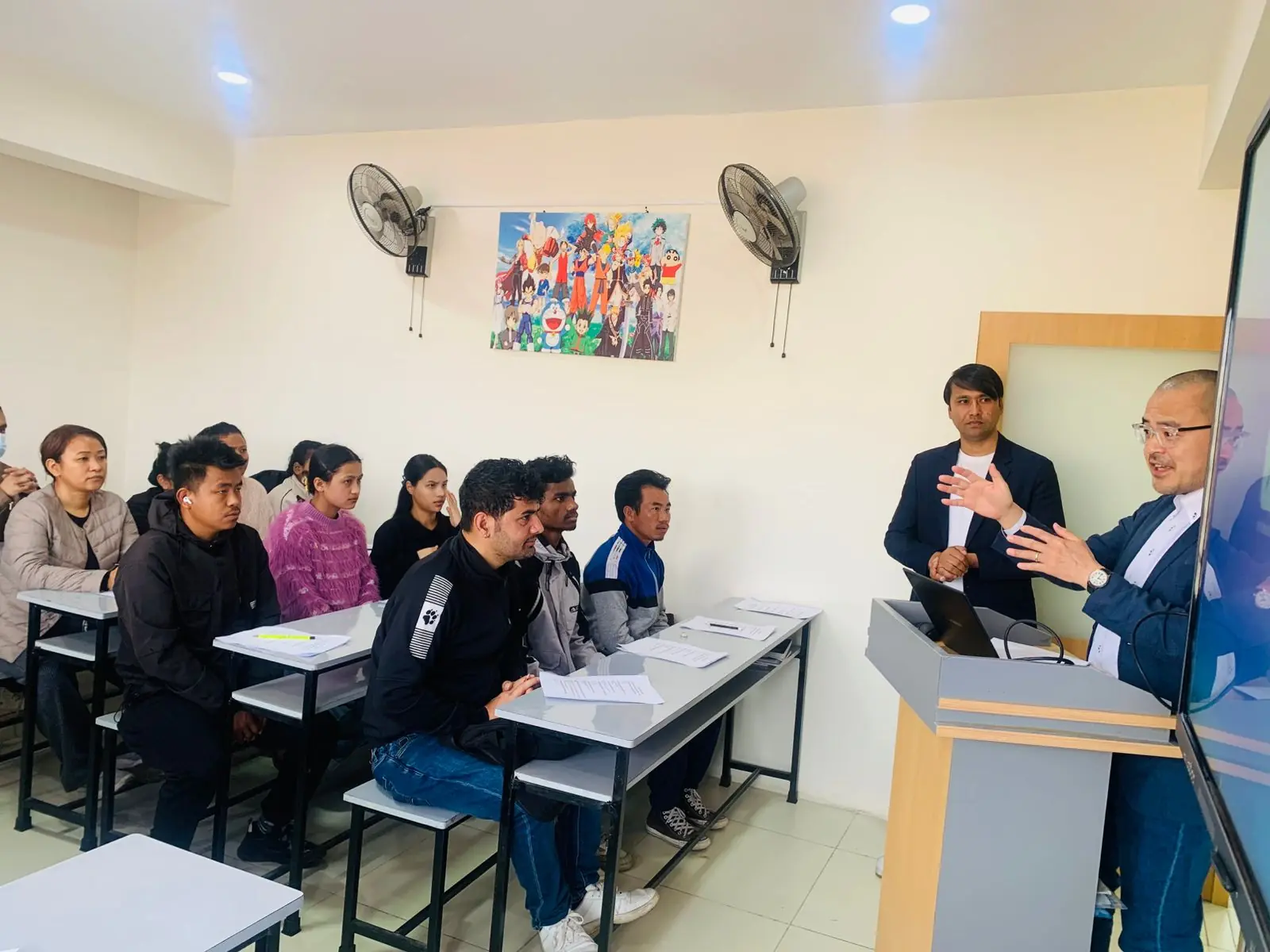
Complete Guidance for Study in Japan — from counseling in Nepal to preparing for your studies and life in Japan.
Akshara International Education provides complete support from counseling in Nepal to helping students prepare for their studies and life in Japan.
Japan is a popular destination for Nepali students because of its high-quality education system, safe society, and diverse study and career opportunities. We help students start their journey through Japanese language schools, vocational colleges, and universities in Japan.
Japan offers Nepali students opportunities to pursue education while preparing for future academic and career pathways.
Globally recognized education system
Multiple institutions, fields, and programs available
Eligible international students may work up to 28 hours per week with the required permission
Clean, organized, disciplined, and safe society
Opportunities to continue education or pursue employment after graduation
Depending on qualifications and eligibility, graduates may pursue different work-status pathways in Japan
Japan is not only a place to study — it can also be a foundation for your future career.
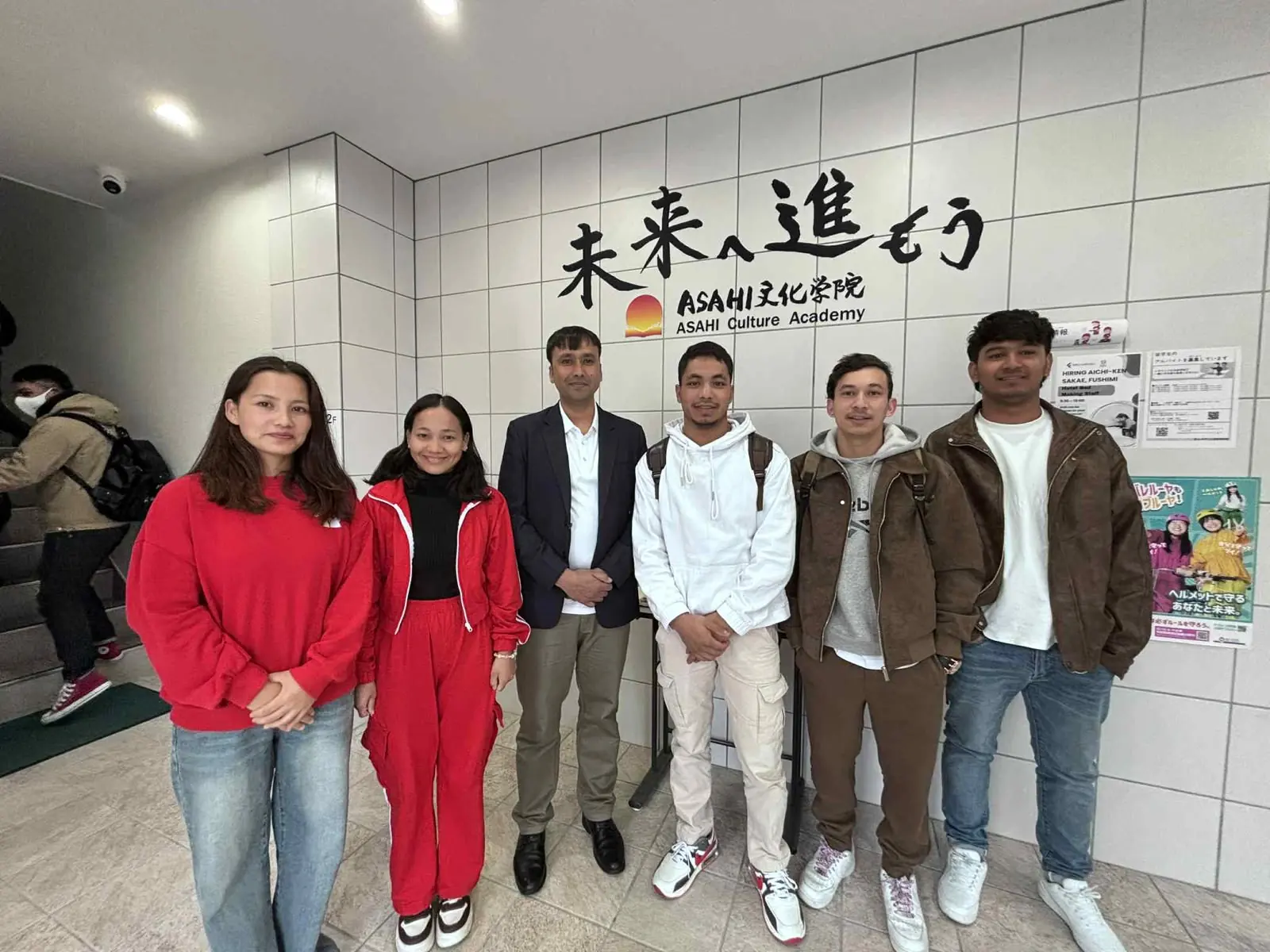
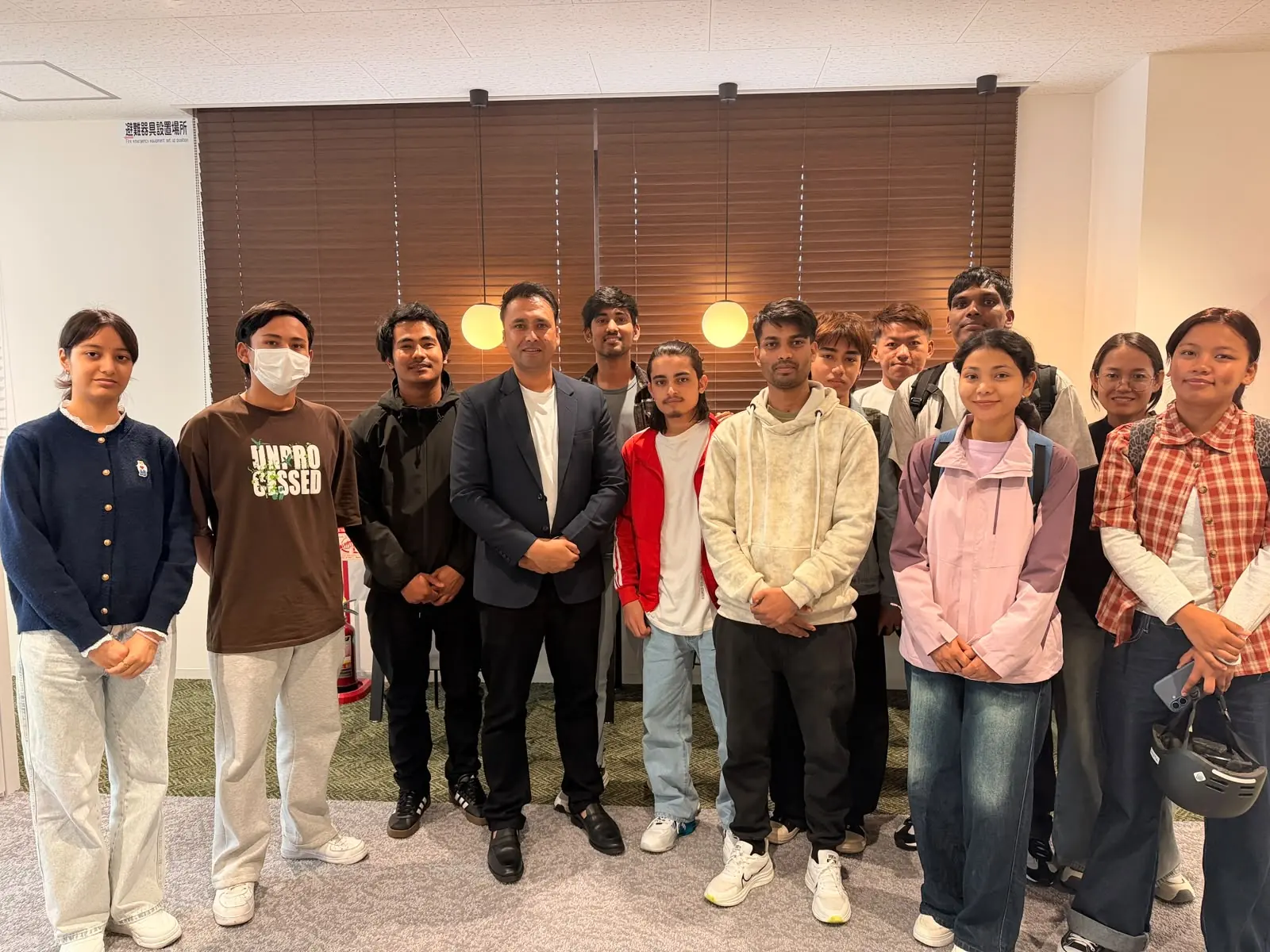
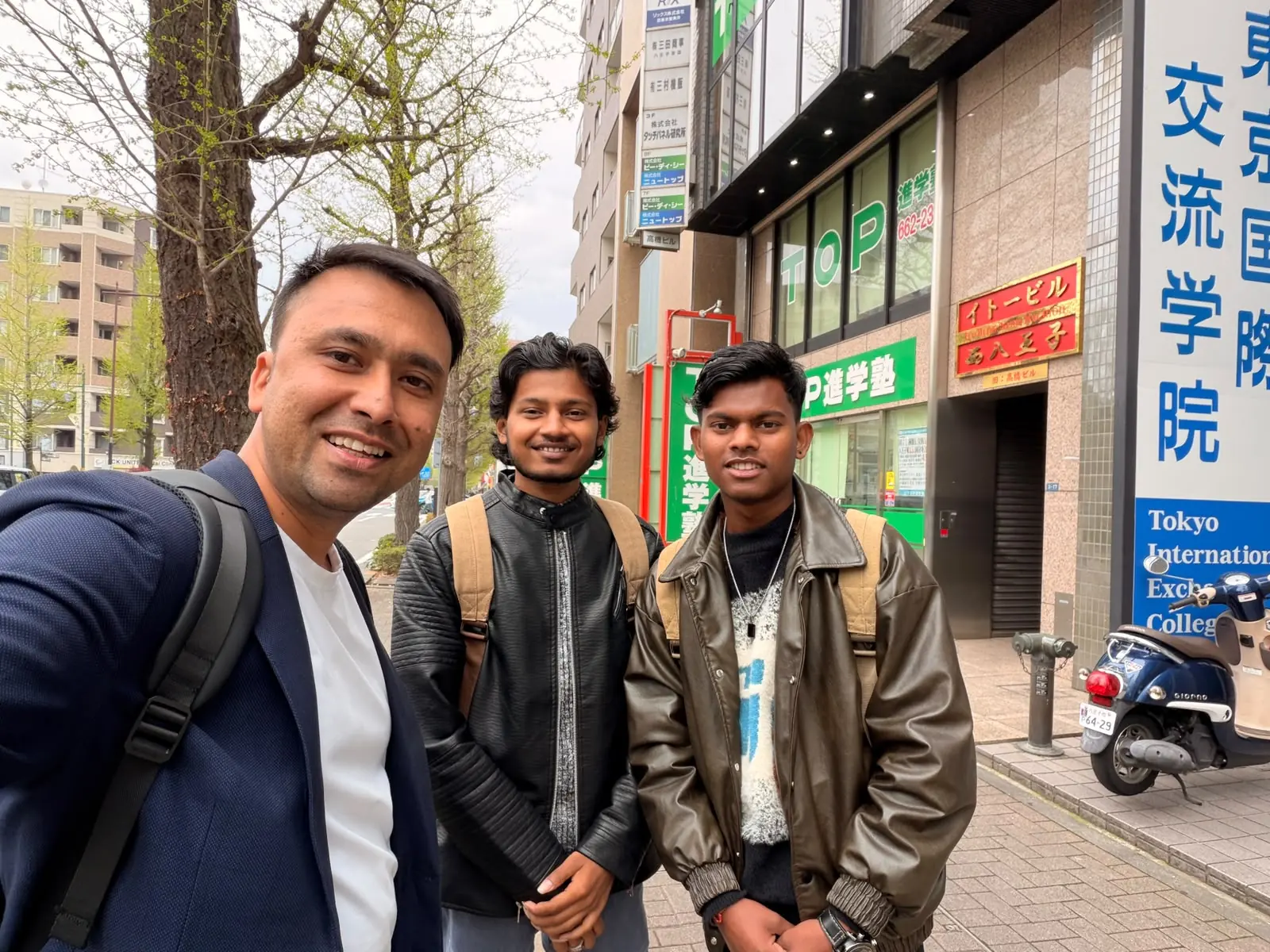
Many international students begin their Japan journey through a Japanese language school.
For many Nepali students, a Japanese language school provides a practical foundation for further study and career development in Japan.
Japanese language schools may offer different intakes depending on the institution.
| Intake | Typical Course Duration | Details |
|---|---|---|
| April | Approximately 2 years | Main and most popular intake; many schools offer their longest course at this intake |
| July | Approximately 1 year 9 months | Available at selected schools |
| October | Approximately 1 year 6 months | Major intake with many school options |
| January | Approximately 1 year 3 months | Available at selected schools |
Note: Intake availability, admission requirements, deadlines, and course duration vary by school.
Generally, applicants should have completed +2 or equivalent education, depending on the institution and program.
Basic Japanese ability is generally required or recommended. Many schools commonly expect approximately N5-level Japanese ability or equivalent, depending on their admission requirements.
Understand your goals, academic background, and Japan study plan.
Begin learning Japanese and build your N5-level foundation.
Take a basic-level examination such as JLPT, NAT-TEST, J.TEST, JPT, JLCT, or TOP-J, according to the selected school's requirements.
Select a suitable school and prepare for interview and screening.
Prepare academic certificates, financial documents, sponsor papers, passport, TB test, medical checkup, and other required documents.
COE application is submitted through the selected school.
Immigration reviews the application and, if approved, issues the Certificate of Eligibility (COE).
Receive guidance about the next steps after COE approval.
Complete the NOC process and transfer tuition fees to the school.
Submit the COE and required documents for the visa application.
After visa approval, prepare for departure.
Book your flight to Japan.
Prepare clothing, documents, medicines, and other essentials.
Prepare necessary funds for initial settlement.
Final briefing on life in Japan, rules and regulations, school expectations, part-time work rules, and daily life.
Arrive safely in Japan.
School staff or designated support receives students and assists with transfer.
Address registration, residence card procedures, bank account, mobile SIM, and other essential arrangements.
Daily life, rules and discipline, transportation, safety, and study system.
Determine the appropriate Japanese language class level.
Begin your studies in Japan.
AIE works with educational institutions and partners across different regions of Japan.
| Expense | Estimated Amount |
|---|---|
| Tuition Fee | ¥800,000 – ¥1,000,000 per year |
| Living Cost | Approximately ¥70,000 – ¥120,000 per month |
| Initial Cost | Flight + shopping + initial settlement costs |
Note: Actual tuition and living expenses vary depending on the school, program, accommodation, and location. Eligible students may work part-time up to 28 hours per week with the required permission. Part-time income can help support living expenses, but students should have sufficient financial resources for their studies and living costs.
After completing their studies in Japan, students may:
Vocational colleges (専門学校 / Senmon Gakko) provide practical, career-focused education in a wide range of fields. Typical duration: 2 years or more depending on the course.
Vocational education can provide specialized skills and prepare students for employment in Japan and further career opportunities.
Japanese universities offer higher education programs for students seeking academic and professional development.
Suitable for students with the required academic background and the Japanese or English language ability required by their chosen program.
From choosing the right pathway in Nepal to preparing documents, applying to a suitable institution, supporting the COE and visa process, and preparing for life in Japan, Akshara International Education helps students move forward with proper guidance.